
Get assistance for Sole Proprietorship in India with an easy, fully online process.
Sole Proprietorship is one of the simplest and most widely adopted business structures in India, ideal for small and growing businesses. Our team provides end-to-end support—from registration and required licences to assistance in opening a current bank account in your business trade name.
Why Choose Us
100% Online Process
Clear & Transparent Pricing
End-to-End Support
CA-Led Expertise
Fast Turnaround
Compliance-Ready Setup
Basic ₹1,999
Standard ₹2,499
₹ 3,999
Shop and establishment
MSME
Current Bank Account Assistance
Let's Start
₹6,499
Let's Start
Proposals
(Save ₹2,500)
(Save ₹ 4,000)
Advanced ₹3,999
₹ 10,499
(Save ₹5,500)
Let's Start
**Prices shown above are only our professional fee. Does not include GST & Government fee
GST Registration
MSME
Current Bank Account Assistance
GST Registration
MSME
Shop & Establishment
Current Bank Account Assistance
Overview
A sole proprietorship firm is a simple and popular business structure in India, ideal for individual entrepreneurs and small businesses looking for a low-cost setup. In this model, there is no legal distinction between the owner and the business, meaning all profits, losses, and liabilities directly affect the proprietor. The sole proprietor has full control over operations, decision-making, and can hire employees if needed. However, the owner also bears unlimited liability—putting personal assets at risk in case of business debts—making this structure more suitable for low-risk ventures.
To legally establish a sole proprietorship in India, key tax registrations like GST (Goods and Services Tax) are often required, especially if annual turnover exceeds the prescribed threshold. Depending on the business location and type, licenses such as the Shop and Establishment Act license may also be necessary. Chartered24 offers end-to-end assistance in registering sole proprietorships, ensuring a smooth, compliant, and hassle-free setup tailored to your business needs.
What is Sole Proprietorship Registration?
Sole Proprietorship Registration is the process of legally establishing a business owned and operated by a single individual. It is the simplest form of business structure in India, ideal for small businesses, freelancers, or local traders.
The owner and the business are considered the same legal entity, which means all profits, losses, and liabilities belong solely to the proprietor. While it doesn't require a formal registration under the Companies Act, businesses may need licenses like GST registration or a shop act license depending on their nature.


Advantages of Sole Proprietorship Registration
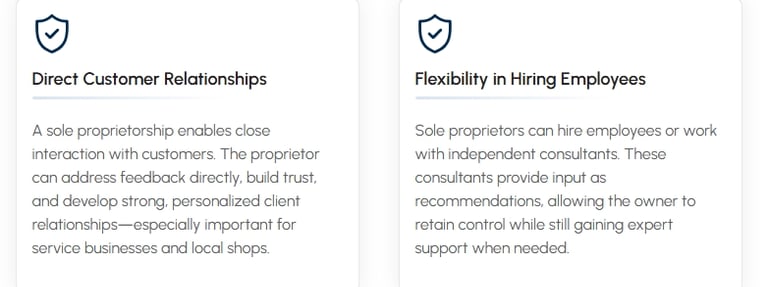
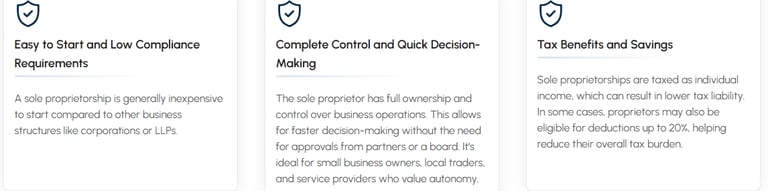
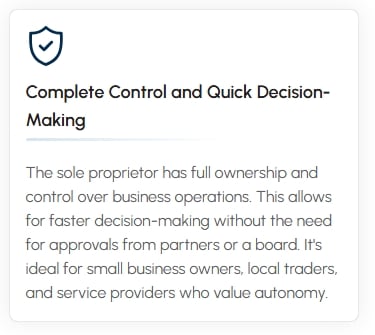
A sole proprietorship is one of the simplest and most common forms of business in India. Below are the key benefits of registering a sole proprietorship:

Considerations and Limitations
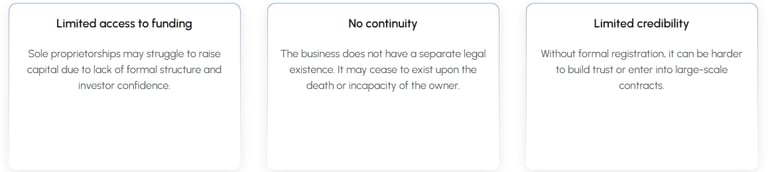
While there are many advantages, it's important to be aware of the potentialProcure required license including FSSAI license or shop and establishment Act license. Drawbacks of a sole proprietorship:

Checklist for Sole Proprietorship Firm Registration
The checklist for registering a sole proprietorship in India are:
Choose a perfect company name for your sole proprietorship business
Open a Business Bank account in the company name
Get Registered as an MSME
Procure required license including FSSAI license or shop and establishment Act license
Based on the business requirement you can register for ESIC or EPFO
Obtain all the required certification under Shop and Establishment Act of 1947 ( if applicable).


Eligibility Criteria for Sole Proprietorship Registration
The eligibility criteria for sole proprietorship registration are:
The applicant should be above 18 years
The applicant should be an Indian Citizen
They should have the legal capacity to enter into a contract
The proprietor should not have any legal disabilities
Applicant should not be declared bankrupt or convicted for a felony previously
The purpose of the business should be clearly outlined while starting a sole proprietorship
The business should be a lawful activity and should prevent selling illegal goods and services
The business should have a unique name that was not registered previously.


Documents Required for Sole Proprietorship Firm Registration
To register a sole proprietorship in India, the following documents are generally required:
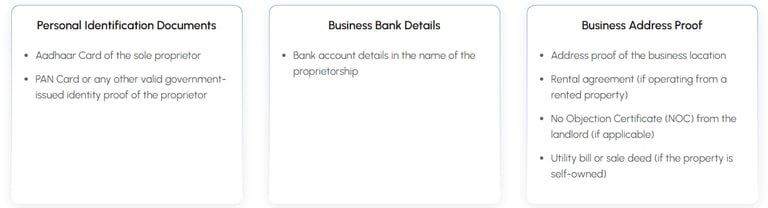

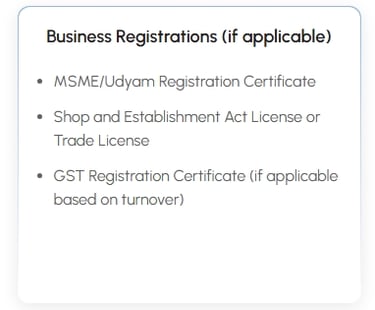
Please note:
Document requirements might differ depending on the state.
To register a sole proprietorship firm online, the PAN and Aadhaar card of the business owner are required.
Shop and Establishment Act registration is often required to operate legally.
GST registration is mandatory if the annual turnover exceeds ₹20 lakh (₹10 lakh for certain northeastern and special category states).
The Shop and Establishment Act registration is required for most businesses in India and can be obtained online or offline.
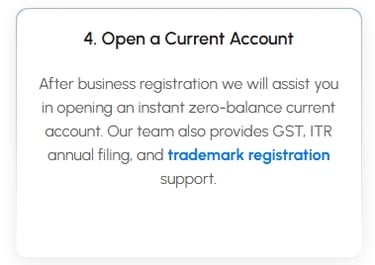
Steps to Register a Sole Proprietorship in India
There are four steps to register your sole proprietorship in India:
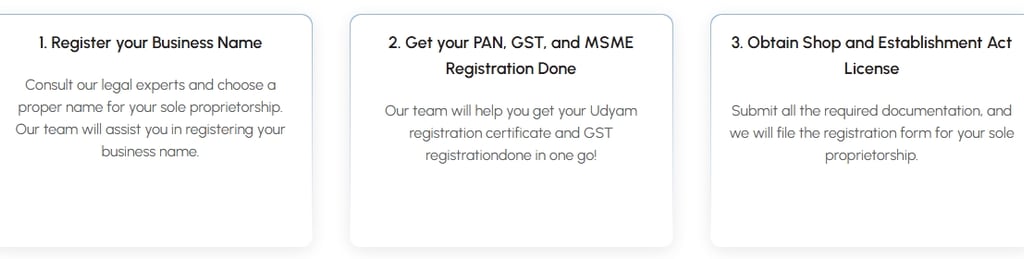

Legal Status of Sole Proprietorship
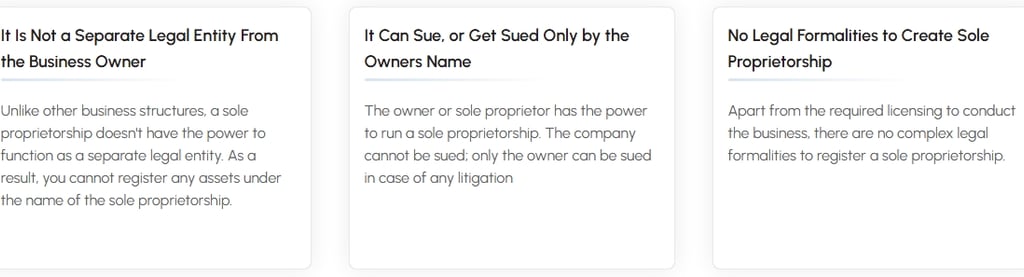
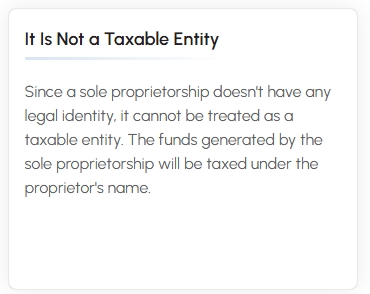
According to the law, an individual owns a sole proprietorship, which is an unincorporated business structure. The legal status of a registered sole proprietorship form in India is outlined below:



Your trusted partner for business registration, legal, and tax compliance in India.
Important Links
About us
Careers
Corporate Office
B-23, Krishna Plaza, Second floor, Sarai Khwaja, Faridabad 121003
+91 9870142701
Connect.chartered24@gmail.com
© 2026 Chartered24
Client Testimonials
ICAI
ICSI
ICWI
GST
Income Tax
MCA
Registration
EXPERTISE
Business License
GST
Income Tax
Startup India
MSME
Trademark
Corporate Compliance
& More